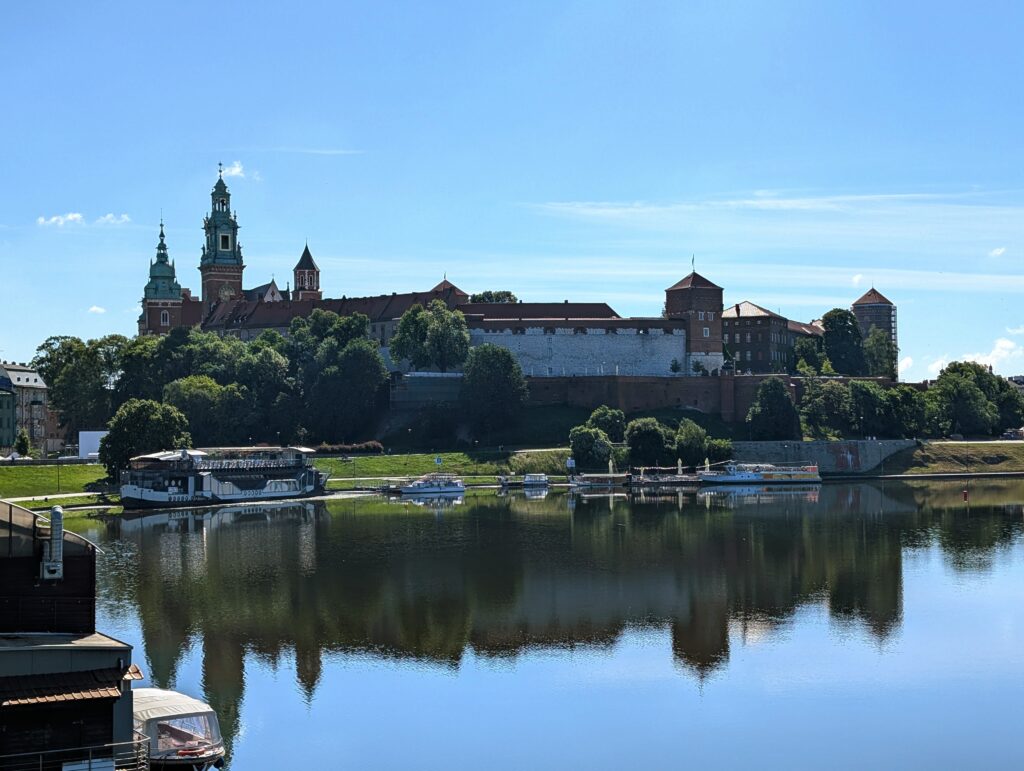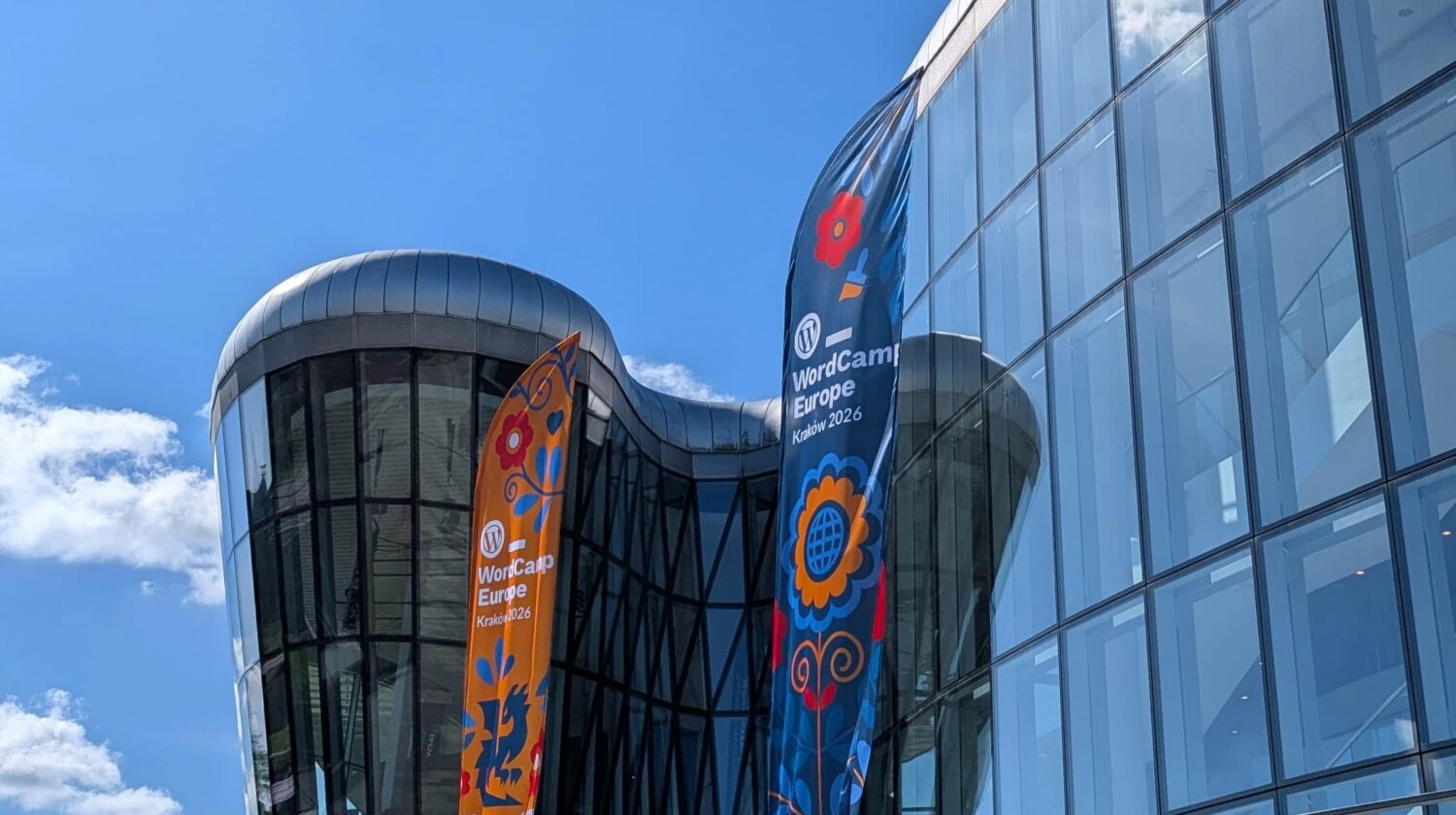
WordCamp Europe 2026 just wrapped up in the historic, tech-forward city of Kraków, Poland, and the energy at the ICE Kraków Congress Centre was unmatched. With over 2,400 attendees from 81 countries gathering right on the heels of the WordPress 7.0 release, this year’s sessions painted a clear picture of where the open web is heading.
Matt, Ed, and Lucy from the Mixd team flew out to Kraków to connect with the global WordPress community and gather fresh inspiration. If you couldn’t make it to Poland, don’t worry – we’ve compiled the major takeaways and architectural shifts that everyone in the WordPress ecosystem needs to know.
1. WordPress 7.0 Landmark Shifts
As WordPress 7.0 dropped just weeks before the event, the “Inside WordPress 7.0” panel was easily one of the most engaging sessions of the weekend. Core contributors broke down the architectural changes rewriting how we build for the web:
- WordPress AI Connectors: WordPress 7.0 introduced a new way to connect AI platforms to WordPress. This allows administrators to provide authorisation for tools such as ChatGPT, Claude and Gemini to connect to WordPress. It also provides a standard approach for developers to define how much information AI can access and change.
- The Modern PHP Push: Version 7.0 officially drops support for PHP 7.2 and 7.3, establishing a strict PHP 7.4 minimum. Hosting providers and plugin developers at the event emphasised that this is a critical security and performance upgrade.
- A Fresh Workspace: The entire admin dashboard received a smooth, visual refresh featuring modern view transitions and drastically improved visual revision comparisons.
2. Moving From “Prompts” to “Agentic AI Systems”
Artificial intelligence was a dominant topic in Kraków, but the conversation shifted away from basic text generation toward deep, system-level automation.
The takeaway was clear: stop thinking of AI as just a chatbot and start treating it as an operational team member. Workshops demonstrated how to utilise the Model Context Protocol (MCP) and the new AI Connectors to build plugins that actively audit sites, handle complex data, and generate structured developer tasks behind the scenes. Lightweight, privacy-focused AI models are proving highly effective at practical, background tasks like real-time spam filtering and behavioural bot detection.
3. SEO is Becoming GEO (Generative Engine Optimisation)
With search engines leaning heavily into AI-generated summaries, multiple tracks of the conference tackled the changing nature of web visibility.
The major pivot here is that optimisation is no longer just about ranking links – it’s about earning citations inside LLM responses. Experts like Alain Schlesser highlighted that structured data plays a huge role at determining whether an AI crawler trusts your site enough to cite it as a source. Meanwhile, the written word still holds massive weight; as video content continues to flood the internet, clear, authoritative text remains the fundamental data source training and fuelling modern search answers.
4. Accessibility From the First Line of Code
We were pleased to see that Accessibility wasn’t treated as a compliance checklist at WCEU 2026; it was championed as an essential design foundation.
Sessions focusing on block and classic theme development proved that building fully accessible websites is entirely manageable if done from the start. The community is pushing for “accessibility-ready” defaults to be standard practice across all new theme submissions, ensuring the open web stays inclusive for everyone by default.
5. Enterprise Scale: Two Worlds Collide as CERN Embraces WordPress
Perhaps the most symbolic moment of the event occurred when representatives from CERN, the birthplace of the World Wide Web and home to the world’s largest particle physics laboratory, took the stage. After years of running their massive web presence on Drupal, CERN shared the blueprints behind their enterprise-wide migration to WordPress.
The talk focused on institutional governance and automation. To successfully migrate over 800 distinct websites to a centralised, custom WordPress infrastructure, CERN’s IT teams engineered an automated migration pipeline. WordPress freed the scientists and site owners from being developers so they could focus entirely on publishing content. The core takeaway was that WordPress is more ready than ever for scaling at massive organisations just like CERN.
Looking forward
As we return from Kraków, we’re not just inspired – we’re already mapping out how to put these breakthroughs to work for you. The architectural shifts in WordPress 7.0 and the evolution toward Generative Engine Optimisation open up incredible new avenues.
We are actively expanding our frameworks to integrate these technologies, from building secure, native AI-driven automations to optimising your content for the next generation of AI search. By leveraging these cutting-edge tools, we’re dedicated to adding even more value to your digital strategy, ensuring your web presence remains fast, secure, and far ahead of the curve.